5th November 2026
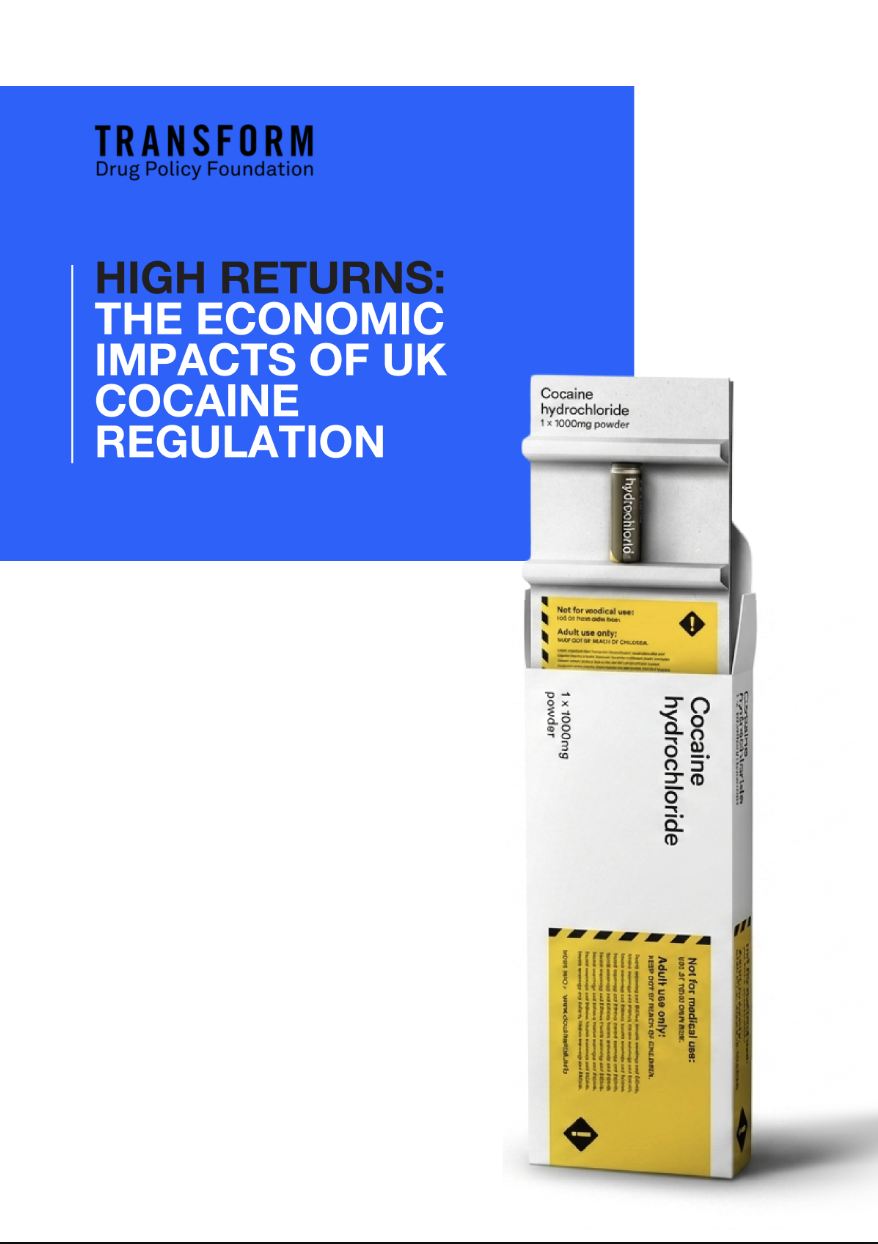
New analysis from Transform Drug Policy Foundation suggests that a legally regulated market for cocaine powder in the UK, operating under a state monopoly, would generate £2.17 billion annually for the treasury, and save over 1 billion across the criminal justice system.
- The estimate assumes total current UK consumption to be 95 tonnes of cocaine powder annually, with a market value of £7.7billion (based on Government published estimates - see notes)
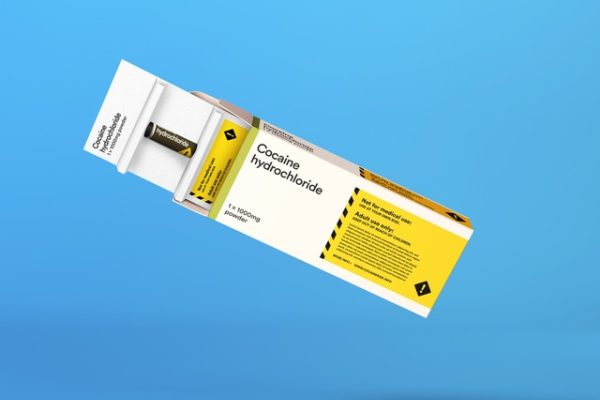
- The calculation of treasury revenue assumes a public health based market regulation model (based on Transform proposals), including a state monopoly on production and retail (to exclude profit-seeking commercial actors), cocaine powder sold at £60 a gram for personal use from adult only pharmacy-style outlets, and 65% capture of the illegal market after 5 years.
Transform senior policy analyst, and report author, Steve Rolles said;
‘The UKs punitive policy on cocaine is both incredibly expensive and incredibly counterproductive. Despite being a class A drug for more than 50 years, and having billions spent interdicting supply and criminalising users, cocaine is more available, cheaper and purer than ever before. More people are using it, and cocaine-related deaths have increased ten fold since 2011’
‘We have to accept that a punitive enforcement-led approach to cocaine has neither deterred use nor reduced supply and availability. UK policy has delivered the precise opposite of its stated goals for more than half a century. Demand for cocaine is resilient and the illegal market is expanding’.
‘We have to make a pragmatic choice around who controls the market - whether it is responsible government agencies, or organised crime groups. The market is here either way - there is no third option in which it magically disappears’
‘Cocaine use, like all drug use, is obviously risky. But arbitrarily criminalising people who use cocaine and gifting control of the market to organised crime only increases those risks; people are using drugs of unknown known potency, often adulterated with other drugs, and are pushed away from risk education and treatment services. At the same time the illegal market is enriching and empowering organised crime groups - fueling street crime, violence and child exploitation, impacting communities in the UK, and all along the international supply chain’
‘A regulated market driven by public health principles can make the product safer, and encourage more responsible use. Transform’s new analysis shows how it will also re-direct billions in annual revenues from organised crime groups to the treasury, and relieve pressure on an over stretched CJS. At least part of the revenue can be spent expanding much needed drug prevention, harm reduction and treatment services that, unlike the ‘war on drugs’, we know actually improve people lives’
- The full report ‘High Returns; the economic impacts of UK cocaine regulation’ is available here
- Transform’s book ‘How to regulate stimulants, A practical guide’ is available here (free pdf download)
Notes
The estimate for the size and value of the UK cocaine market is based on two very different estimates published by the Government. One from 2020 in the Black evidence review, based on data from the Crime Survey of England and Wales, and one from 2025 Waste Water analysis. Both have been adjusted for a whole UK estimate.