13th January 2026
I’ve been working in the charity sector in one form or another for most of my working life, but had never, until recently, gotten close to causes that reflect my direct life experience, and typically focused on causes based far away geographically, Malawi, for example.
The truth is that I’ve lived to some degree a double life for most of that time, without the capacity or trust to bring the two together, my life experience and my passion for the charity sector. That’s what I’m doing here and now.
When I was a young woman, I didn't know how to prioritise myself and I looked for love in all the wrong places. In many rural cities and towns of the West Midlands, the beautiful landscape sets the scene for communities severely impacted by the war on drugs. Without support, young people are not protected or diverted away from the harms, including violence, fear and intimidation from far older individuals and organised crime groups, of prolific illegal cannabis production, illicit market supply and use, and risky using behaviours.
I couldn’t avoid exposure to drugs, exposure to harm, and their presence, legal and illegal, has barely left my side until recently. Seeing extreme violence and hospitalisation inflicted on the people around me, and narrowly missing being a direct victim by one sliding doors decision, left me instilled with fear. I’ve joked many times since that it must be written on my forehead in big letters, ‘enter my life if you like drugs!’ That would in fact encompass nearly everything, but you get my drift. The only difference now is I am intentionally choosing how I engage with the topic – and that is by connection with Transform Drug Policy Foundation, to support their work.
Drug use is everywhere and nearly impossible to avoid completely. It is woven into Western society from strong painkillers, whether oxycodone (OxyContin®), hydrocodone (Vicodin®), morphine, or codeine. As well as cannabis, over the counter or prescription, legal or illegal options, many authorised for use by children and adults, up to and including opiates. Whether legal or illegal, their legal status is not really an indicator of how harmful they are, all are potentially addictive. Codeine is physically addictive, as is heroin, one is tolerated because of its legality, and the other is vilified because of its associated stigma and illegal use.
I believe we shouldn’t stigmatise or judge a specific substance at all, or the people using it. We should sympathise, empathise, and understand that people with a substance use disorder should be treated in every other respect, as the high-functioning and valuable members of society that they are.
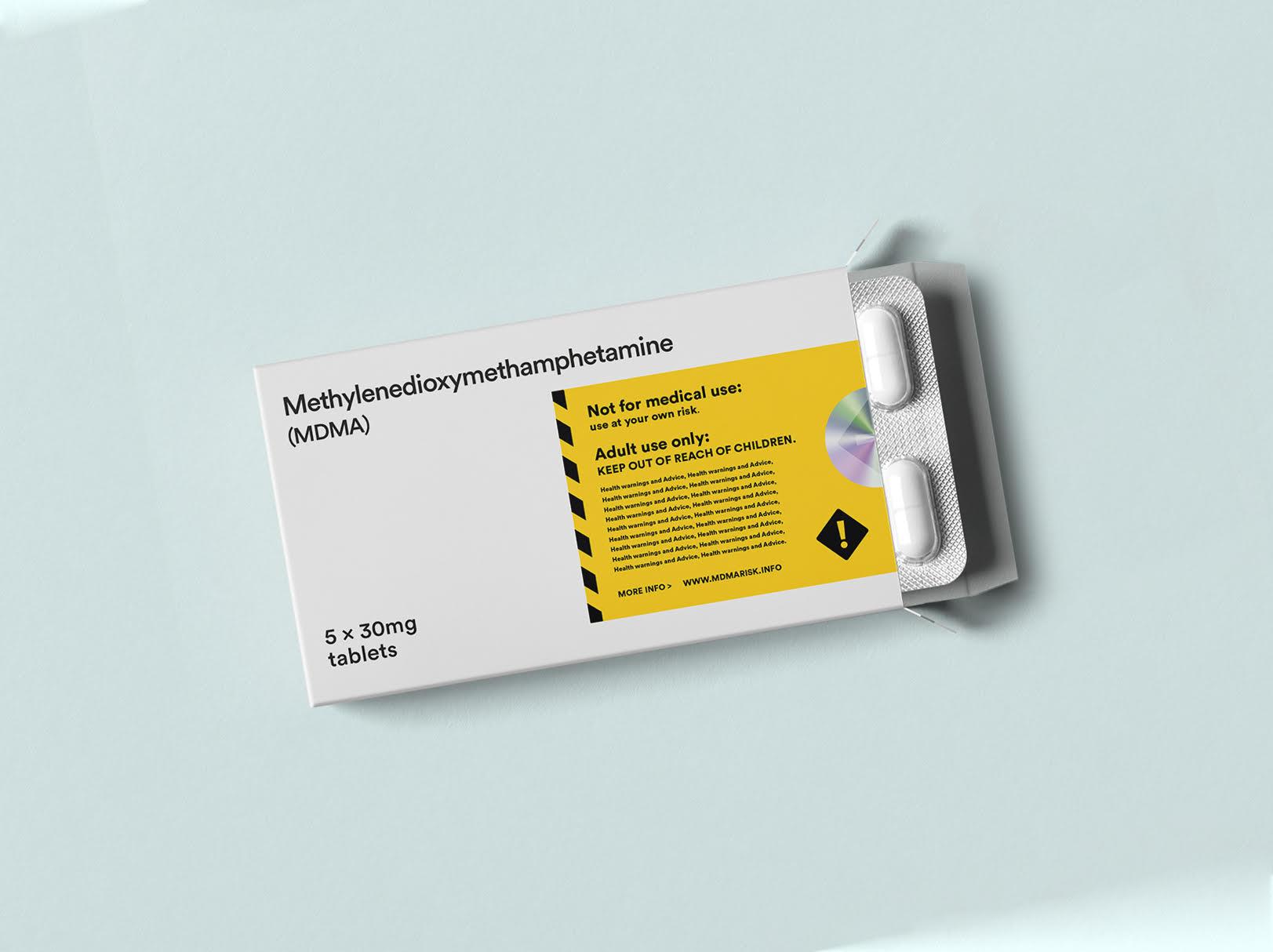
Prescribed painkiller addiction from my associated experience, both in the United States and the UK, gains sympathy because it is legal. A person’s character isn’t challenged or questioned, and it is rarely seen as their fault.
Because it's legal, there's no black-market involvement, for it is prescribed by a doctor. There’s no being labelled a criminal and involvement of the police; no uncertainty of the drug being taken or the dose, and subsequent risks. The user can keep tabs on daily dosage with accuracy and safety, and I have found it easier to support someone to reduce their substance use when taking prescribed drugs versus drugs brought on the black market. Painkiller use can sometimes be seen as temporary and something fixable.
Yet the underlying reason for consumption can be the same as illegal drugs, such as heroin: pain relief, dealing with mental symptoms, or an inability to deal with emotional discomfort or pain. Can this lead to harm when the underlying reasons aren't addressed? Yes, because it can become a physical and/or mental dependency prioritised over all else: job, physical health, relationships. Yet it is interesting that this often does not seem to apply to legally prescribed painkillers.
Currently, illegal drug users are judged as criminals and often rejected from wider society. Heroin addiction involves greater health risks because of its illicit status, along with crippling stigmatisation. This isolates people, until the only available support becomes a community of fellow drug users who are there for each other and also isolated from wider society and the support and the understanding it could offer, whilst facing the risks and fears of seeking help, such as the loss of a driving license, job, friends, or home.
The risk of overdose is ever-present, and who will come to someone's aid if they are using alone in secrecy? In the childhood home of my friend and with a parent in the house, I witnessed this happen. He used in his bedroom with his mother in the house, but when he was found, it was too late. My friend was dead. A funeral took place with no mention of the cause of death.
The situation as it stands creates a confusing reality of mixed messages for all involved. You find good and bad people in all walks of life and my friend was a good person, with a great sense of humour that picked me up during hard times. He helped his mum around the garden, talked to me with great empathy and a reassuring nature, recognising my anguish at times at the difficulties swirling around us all, and recognised the destructive nature of my romantic relationship. He frequently poked fun at me for spending evenings typing on two laptops at once whilst studying, sat on the sofa in a scruffy caravan. Who did I think I was?
Witnessing and experiencing stigma attached to drug use is a sad and lonely experience and reveals an ugly side of how society operates. Personally, I could feel the shame like dirt on my skin, imposed on me month after month after month, which took years to ‘wash off’ and still lingers, now and again.
There is now a substantial body of evidence demonstrating the effectiveness of heroin-assisted treatment (HAT), a legal prescription model with medical grade heroin. In some countries, including Switzerland, it's seen to be leading to the “substantially improved” health and well-being of [participants], among many other positive outcomes.
The result - those Britons who can afford it seek help abroad. What does it say when we can't help our own fellow citizens? Why do we deny effective help and place multiple barriers in the way?
Given the choice, would people seek drugs in a legal method if it were available? Would our society function more effectively if we treated this as a medical condition, rather than a criminal problem? If we accepted that the use of mind altering substances can be seen throughout the whole of human history, irrespective of culture, location, or belief system, is there a better way to mitigate the physical or psychological harms without criminalising or stigmatising the individuals involved, or destroying what is otherwise a moral lifestyle that integrates into the community of which an individual is a member?
We face a historical challenge. The sixties brought a fundamental shift in the way people use substances, legal or otherwise. This led to the Misuse of Drugs Act 1971. The war on drugs can be seen as a genuine and ethical attempt to look after our own. The simple truth is it failed. The influx of heroin in the eighties, the exponential rise in cocaine use, the acceptance of cannabis as something everyone smokes, and the building crisis with ketamine demonstrate that this approach has not worked. Caught between a rock and a hard place, and despite their best attempts, the police have failed to enforce an outdated moral viewpoint on substance use, with the sad and unintended consequence that in many quarters it has damaged the societal relationship between the police and wider society.
Transform advocates for legal regulation and a fundamental change in the way in which we view, manage, and support substance use in wider society, because the current approach has failed. Transform can help by levelling the playing field and raising awareness of the harm done by prohibition. Transform believes in a society where drug policy is grounded in compassion and health, with evidence-based reform preventing avoidable suffering.