25th March 2026
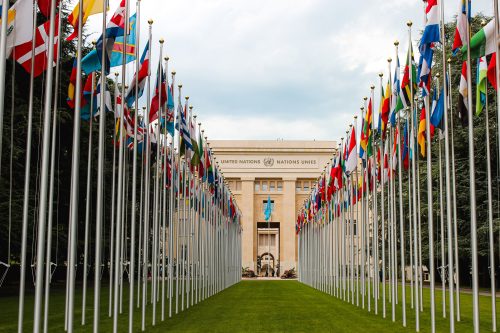
Last September witnessed the publication of a groundbreaking new discussion paper from the UN Development Programme launched at the UN General Assembly in New York: 'Development Dimensions of Drug Policy: Assessing New Challenges, Uncovering Opportunities, and Addressing Emerging Issues'. This was followed by launxh evcent last month in Vienna, at the UN Commission for Narcotic Drugs, and in Geneva at the Human Rights Council.
This is the first ever UN discussion paper to explore the implications of drug policy and law reform on the sustainable development goals, specifically including ongoing trends towards legal regulation of some currently prohibited drugs. The paper covers a range of themes, including potential impacts (both positive and negative) of drug legalisation/regulation on sustainable livelihoods, governance, public health, human rights, and the environment. Transform’s senior policy analyst Steve Rolles worked as consultant and lead drafter on the report with an extended peer review group of academic, civil society and UN experts. Some details of the launch events in New York, Vienna and Geneva are below, followed by the text of Steve's presentation speech.
We are serialising key sections of the paper on the Transform blog in the coming weeks, beginning with the scene setting introduction that you can read here.
Some details of the launch events in New York, Vienna and Geneva are below:
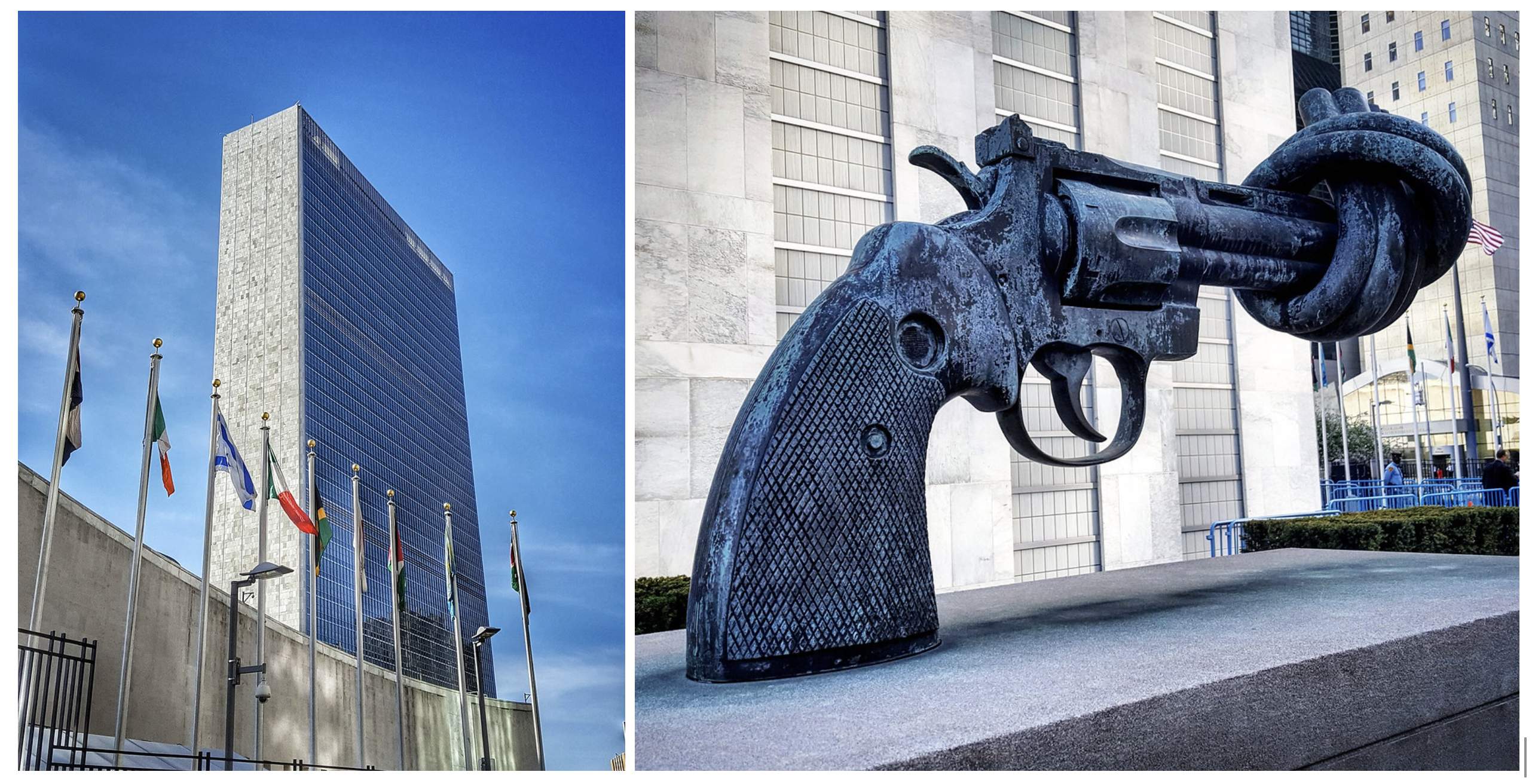
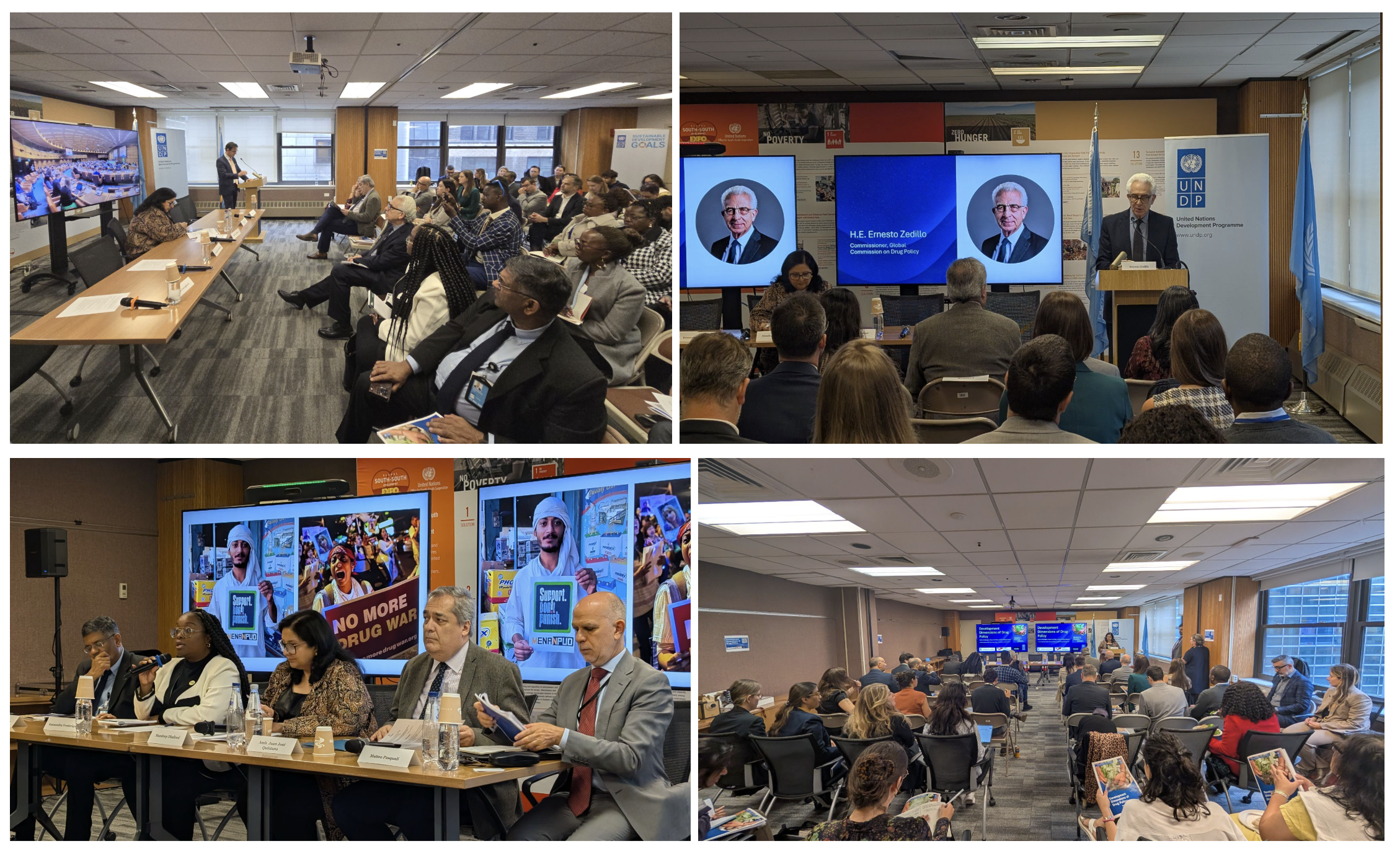
New York
The New York launch event was hosted by UNDP on the margins of the UN General Assembly taking place that week. Speakers:
Mandeep Dhaliwal (moderator), Director, HIV and Health Group, Bureau of Policy and Programme Support
Marcos Neto, Assistant Secretary-General, Director, UNDP Bureau for Policy and Programme Support
Ernesto Zedillo, Former President of Mexico, Commissioner, Global Commission on Drug Policy
Binaifer Nowrojee, President of Open Society Foundations
Steve Rolles, Lead Author, Senior Policy Analyst, Transform Drug Policy Foundation
The report was then discussed in a panel dialogue with:
Kassandra Frederique, Executive Director, Drug Policy Alliance
Ambassador Juan José Quintana, Deputy Permanent Representative of the Colombia Mission to the United Nations
Matteo Pasquali, Deputy Representative, UNODC New York
Ninan Varughese, Senior Adviser, UNAIDS New York
------------
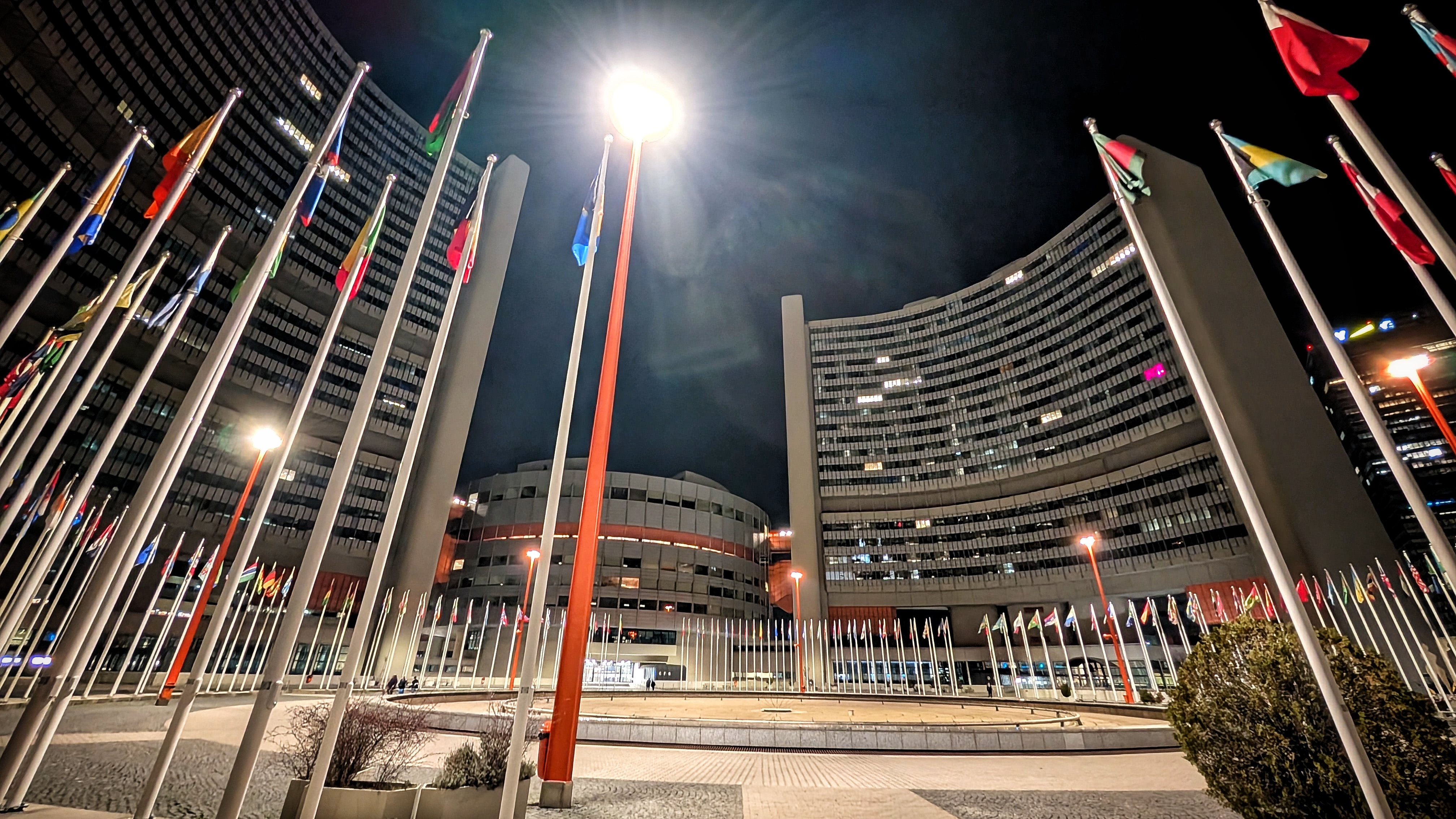
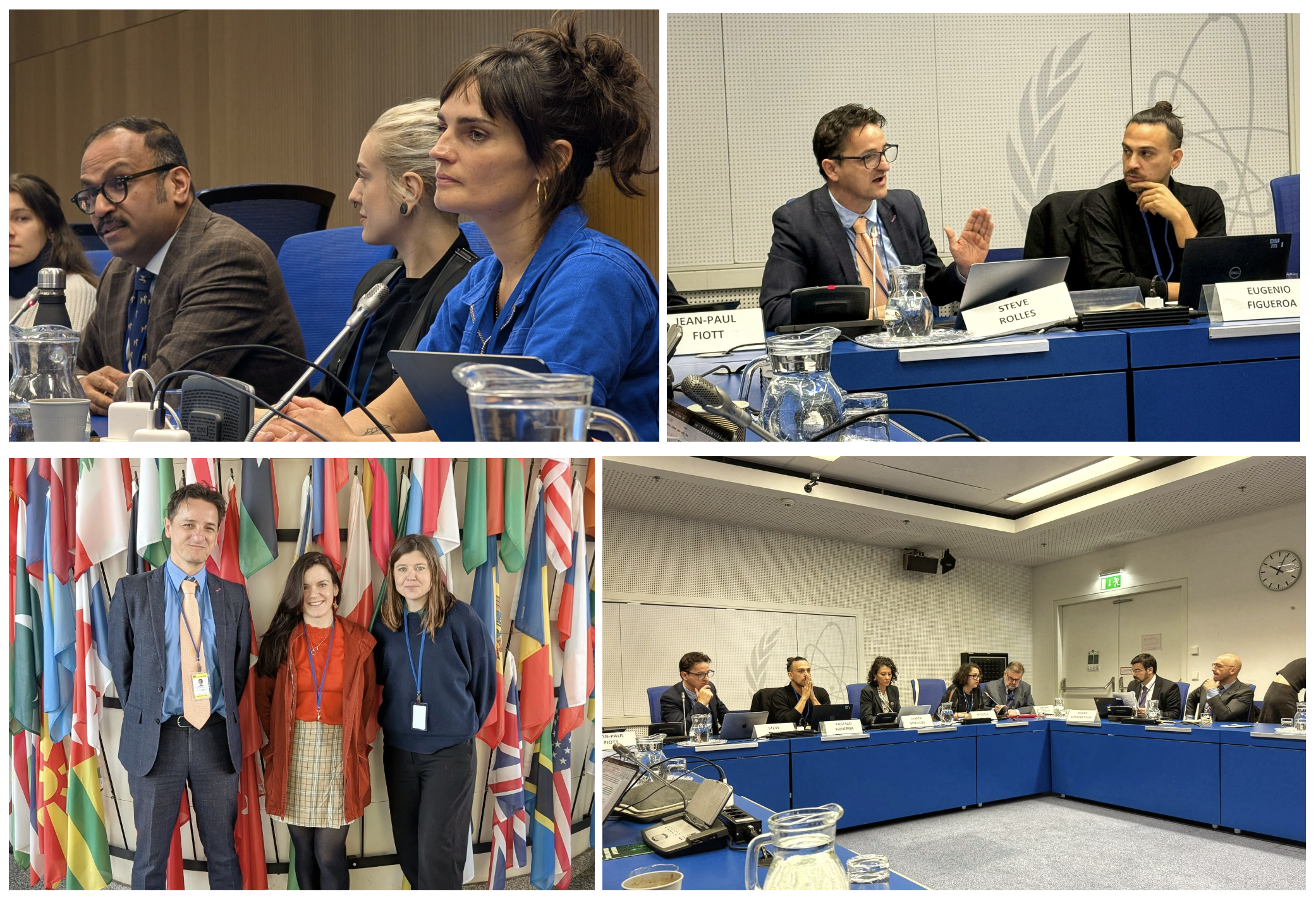
Vienna
The Vienna launch took place as an official side event of the UN Commission on Narcotic Drugs on March. It was Organised by United Nations Development Programme and cosponsored by Brazil, Colombia, the Czech Republic, Malta, South Africa; Switzerland, the Office of the United Nations High Commissioner for Human Rights, the Joint United Nations Programme on HIV/AIDS (UNAIDS), Open Society Foundations, the International Coalition on Drug Policy Reform & Environmental Justice and Health Poverty Action, and Transform Drug Policy Foundation.
Speakers:
Boyan Konstantinov (moderator), UNDP
Ambassador Marcela Tovar-Thomas, Permanent Representative of Colombia to the United Nations
Steve Rolles, Lead Author, Senior Policy Analyst, Transform Drug Policy Foundation
Jean-Paul Fiott, Chief Officer, Licensing, Authority for the Responsible Use of Cannabis (ARUC), Malta
Secretary Marta Machado, National Secretariat for Drug Policy and Asset Management (SENAD), Brazil
Eugenio Figueroa, International Coalition for Drug Policy Reform & Environmental Justice
Diego Garcia-Devis, Open Society Foundations
-----
Geneva
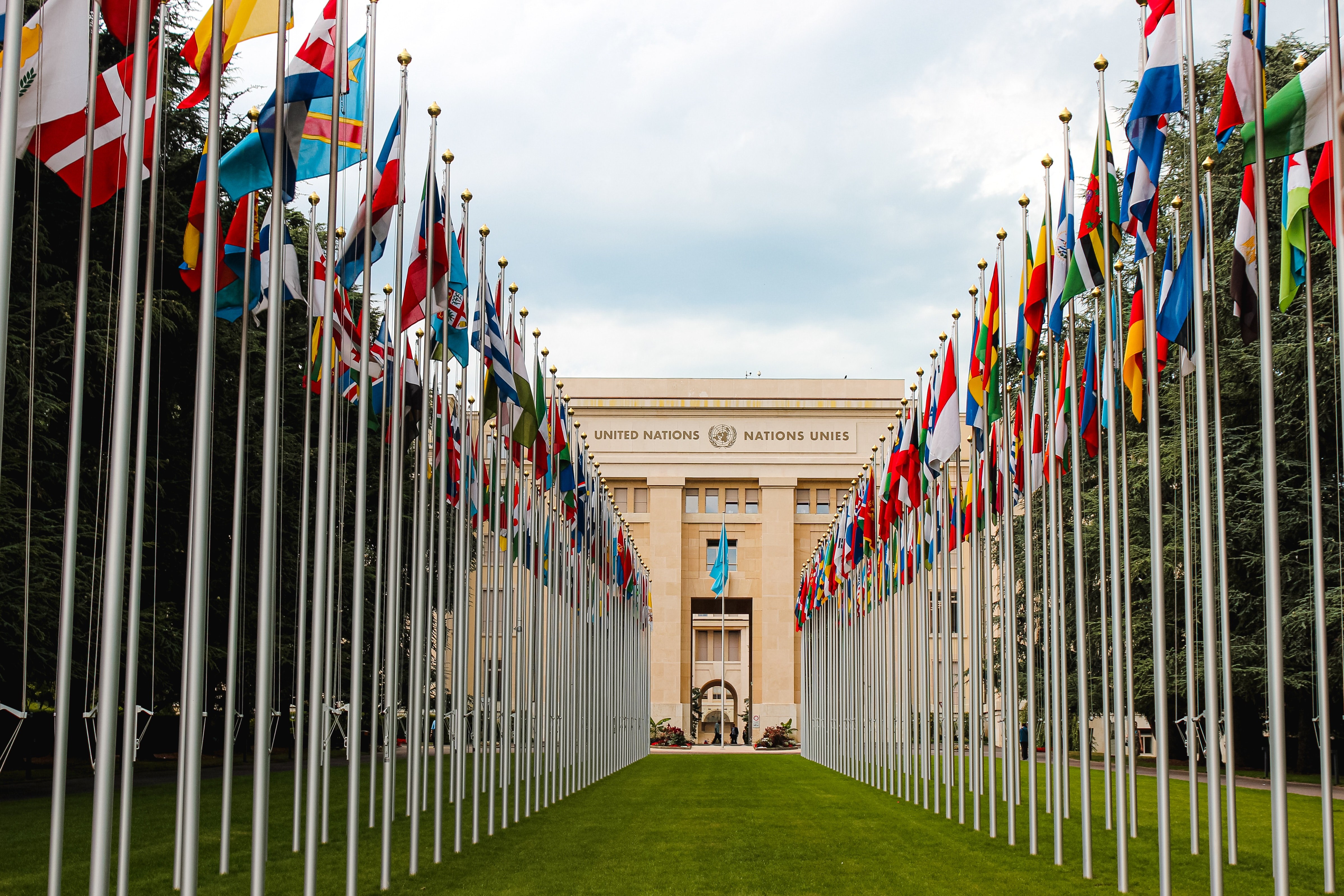
The final UN launch event for the paper took place on 16th of March at the 61st Session of the Human Rights Council, in the Palais de Nations in Geneva. Titled ‘Human Rights Implications of Drug Policy: Advancing Rights‑Based, Evidence‑Informed and Development‑Oriented Responses’ the event was organised by United Nations Development Programme (UNDP), Office of the United Nations High Commissioner for Human Rights (OHCHR), and the Joint United Nations Programme on HIV/AIDS (UNAIDS), and was cosponsored by Colombia, Mexico, Portugal, Switzerland, South Africa, the Global Commission on Drug Policy, International Drug Policy Consortium, International Network of People Who Use Drugs, and Transform Drug Policy Foundation.
Luciana Mermet (moderator). Manager, Global Fund Partnership & Health Systems Team
Simon Walker, Chief, Rule of Law & Democracy Section, OHCHR
Ambassador João Mira Gomes, Permanent Representative of Portugal to the United Nations Office in Geneva
Christine Stegling, Assistant Executive Director, UNAIDS
Steve Rolles, Lead Author, Senior Policy Analyst, Transform Drug Policy Foundation
Anton Basenko, Executive Director, International Network of People Who Use Drugs
Vuyesika Dubula, Head of department for Community, Rights & Gender, Global Fund
Ruth Dreifuss, Former president of Switzerland, Commissioner, Global Commission on Drug Policy
Ambassador Gustavo Gallón, Permanent Representative of Colombia to the United Nations in Geneva
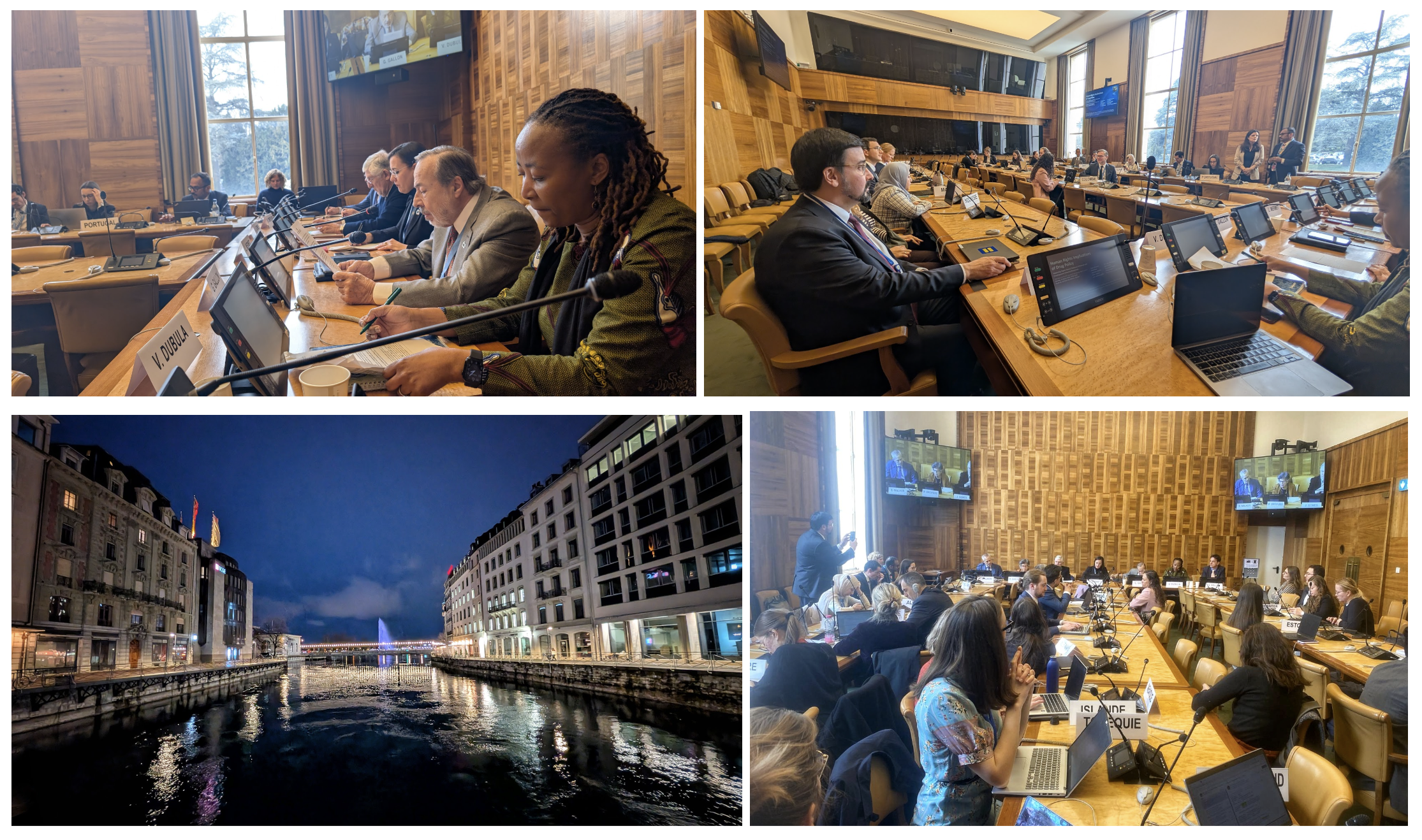
We would like to thank the UNDP team, in particular Boyan Konstantinov and Luiza Veado, and Mandeep Dhaliwal, for their invaluable leadership and efforts in preparing the discussion paper and organising the launch events, and Zaved Mamood at OHCHR for supporting the organisation of the Geneva event.
Discussion paper presentation speech by Steve Rolles
In 2015 and 2019 UNDP published reports exploring the development dimensions of drug policy. They make very clear, as does this new report, That drug policy is a development issue. If there is a single key take away from this presentation it is that.
These UNDP reports make an explicit critique of the prohibitionist paradigm, and also offer an exploration of alternative policy models based on public health, human rights and sustainable development principles
This thinking has moved into UN mainstream narratives, especially since the 2016 UNGASS notably in the form of the UN system common position statement on drugs in 2018, The Guidelines on Human rights and drug policy in 2020.
These contributions track, and respond to policy changes - mapping the evolution of pragmatic responses to the failures of the war on drug. This included the
emergence of harm reduction in the 80s and 90s in response to the HIV epidemic amongst people who inject drugs, and then the trend toards decriminalisation of drug possession and use in the 2000s.
These policy positions - that the UNDP has highlighted - are now positions explicitly endorsed by the UN system in the context of the common position statement of 2018.
BUT…..others have long concluded that these reforms, whilst hugely positive, don’t go far enough. Decriminalisation of possession and use, doesn’t impact drug markets. And harm reduction is significantly dealing with harms created or exacerbated by the illegal trade (opioids adulterated with fentanyl for example)
So perhaps unsurprisingly…..The public health pragmatism that has informed these reforms, particularly around harm reduction and decriminaliSation, is now being extended into thinking about how we manage the supply side of this equation; how do we tackle the harms of illegal markets? Can we do more than symptomatically respond to these harms they create?
This means acknowledging that prohibition is a key structural driver of illegal market related harms, and from their having the courage to explore the options for a post prohibition world…. i.e. the legalisation and regulation of drugs for non-medical use.
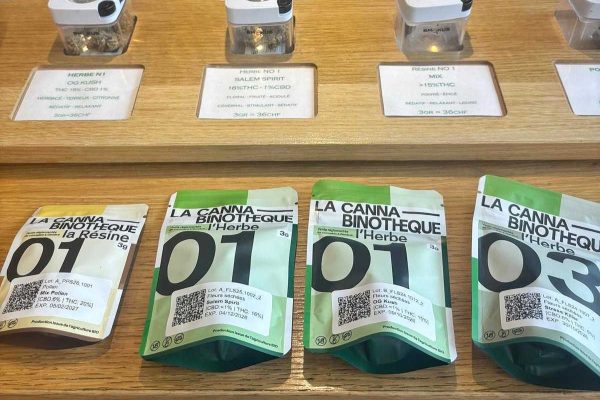
This is no longer theoretical - its is happening NOW. Most obviously with cannabis, but now extending to other drugs - such as the debate around coca rescheduling, reforms around access to plant based psychedelics, and debates on stimulant regulation in Europe and Colombia.
But there's a problem: because many of these reforms are technically non-compliant with the UN drug treaties, there has been an absence of engagement from key UN entities and many of the big NGOs in the development sphere. People and institutions are scared of talking about drugs, scared about talking about drug policy reform, and particularly scared of talking about regulation. 'War on drugs' positions are deeply entrenched in the political and institutional landscape.
So we now have a situation where, as the paper notes, more than 500 million people are now living in jurisdictions with legal adult access to cannabis for non-medical use. But despite these reforms unfolding on every continent (and there an array of case studies exploring many of these developments) - there has been no normative guidance on best practice for regulating these emerging markets from key UN institutions or from key civil Society organisations in the development sphere.
[Note - this next line is from the New York presentation]. If you needed an illustration of how this debate has moved from theory into reality - we are one of those legal cannabis jurisdictions right now (I did a quick search on Google Maps and there are five cannabis dispensaries within four blocks of here).
Debates around drugs and regulation are generally highly politicised, emotive and often quite polarising. There are strong differences of opinion, and this debate is playing out at all levels: between different civil side organisations, between different member states in UN forums, and indeed between different UN agencies. The Office of the High Commissioner for Human Rights for example has, in the past two years, made a strong case for an end to the war on drugs, and for ‘transformational change’ to the drug control system, specifically including decriminalisation of drug use and the responsible regulation of drug markets.
The last of these calls is not a position advocated by other UN entities…..yet
But……the reality is that these reforms are progressing, regardless of whether a particular individual or institutions endorse them. They are happening - like it or not.
As policy makers, we have a responsibility to deal with the world as we find it - and that world is one in which 100s of millions of people use illegal drugs every year, and one in which legalisation and regulation of previously prohibited drugs is a growing trend on every continent.
The paper estimates illicit drug market is worth somewhere between 600billion and a trillion dollars annually. Reforming this market has profound impact on all of the sustainable development goals as explored in this paper, specifically regarding governance, sustainable livelihoods, human rights, public health, and the environment.
Crucially - Depending on the nature of these reforms, the impacts can be positive or negative. What this paper attempts to do is to explore the risks and opportunities of this latest wave of drug policy reforms, through the lens of the sustainable development goals. It concludes that if done well, an incremental transition to responsibly regulated markets can potentially support sustainable development - but only if it is done right
There are real risks that many of the iniquities that have emerged under the 'war on drugs' can be replicated in a post prohibition scenario - albeit in different forms. Many of the millions of people working in the illicit drug economy enter it as a form of economic survival.
The core UNDP goal, to leave no one behind, also applies to the millions of economically marginalised people working in the illegal drug economy during any transition towards legal drug markets.
It is essential that human rights, public health and sustainable development principles are hardwired into policy thinking, development and implementation at this critical inflexion point; At the beginning of the transition - rather than attempting to retrofit at a later stage. We have seen how badly drug markets can be regulated with for example the history of the global tobacco industry - and how hard it is to turn that around.
Again, it is important to emphasise that this is not a theoretical debate. The transition has already begun, and opportunities to guide and influence this process are already being missed.
It is essential that centres of expertise, amongst member states, UN institutions, and civil society are working together in partnership - actively engaged in this discussion at this critical juncture, because - to repeat - the change is happening regardless of political positions on legal regulation of drugs.
If these institutions are not guiding this process in ways that's his support realisation of the sustainable development goals we will often leave the process to bad actors and the process of corporate capture: billion dollar transnational corporations, big alcohol, big tobacco, and big pharma. And then inevitably replicate exploitative market structures that have done so much to undermine sustainable development in the past.
We have an opportunity with the transition to legal regulation, to do things differently and better. It is an opportunity we can and must seize
I recently read a Reuters new article titled ‘UN report finds nobody reads UN reports’. I hope this discussion paper is different, and that you will make an effort to read it - at least the executive summary - and engage with the analysis and strategic pathways outlined at the end. We are in the twilight years of the war on drugs, and it is our duty as responsible policy makers to help guide the process as we transition to something new and better.
This will take political will, partnership between key actors and institutions, and the courage to challenge deeply entrenched drug war narratives.
I am hugely grateful for the leadership role that UNDP is taking in the process and I hope you will join us in making the most of this opportunity as we plan a just transition, ending the war on drugs, and into a better future.
Note: this is a draft text notes, not an exact transcript of the three presentations.